How to Choose the Best Kiln Paper for Your Ceramics Studio
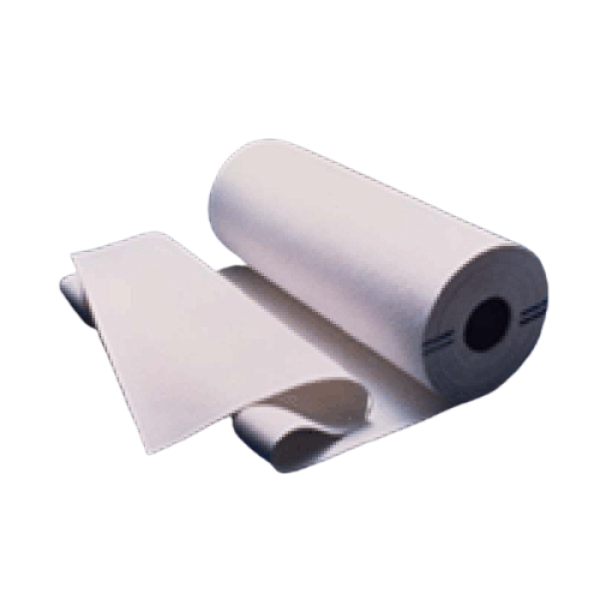
Choosing the right kiln paper is crucial for any ceramics studio, whether it”?s a small home setup or a large professional operation. Kiln paper serves as a protective barrier between the kiln shelf and the ceramic piece, preventing glaze and glass from sticking to the kiln floor, which can be damaging and costly. With various options available on the market, selecting the ideal kiln paper can be challenging. This article offers guidance on how to choose the best kiln paper, focusing on factors like material, thickness, temperature resistance, and more. Understanding these variables will assist in making informed decisions that enhance the quality and efficiency of ceramic work.
Understanding Kiln Paper Materials
Kiln paper is primarily made from two types of materials: fiber-based and paper-based. Each type has distinct characteristics that can affect the outcome of your ceramic projects.
- Fiber-Based Kiln Paper: Known for its durability and resistance to high temperatures, fiber-based kiln papers are often used for high-fire applications. They are ideal for projects that require prolonged firing times or high temperatures.
- Paper-Based Kiln Paper: Generally more affordable and suitable for low to mid-range firing temperatures, paper-based kiln papers are a good choice for beginners or projects that do not require extreme heat.
To find out more about this approach and choose the right material for your needs, consider the types of ceramics you produce and the firing temperatures you typically use.
Evaluating Thickness and Durability
The thickness of kiln paper can greatly influence its performance and lifespan. Here are some key considerations when evaluating these factors:
Thickness
- Thin Kiln Papers: These are excellent for projects where fine details are crucial, as they allow for a closer proximity to the heat source. However, they might need more frequent replacements.
- Thick Kiln Papers: Offering better protection and longer lifespan, thicker kiln papers are suitable for heavy-duty use or larger projects.
Durability
- Durability is essential for ensuring that the kiln paper can withstand multiple firings without breaking down.
- Consider kiln papers that are specifically designed for high durability if your studio frequently uses high temperatures.
For those seeking more information on kiln paper thickness and durability, discover expert strategies here.
Temperature Resistance and Compatibility
When selecting kiln paper, it’s essential to consider the temperature resistance it offers. This ensures that the kiln paper will not degrade or combust during the firing process.
- Each kiln paper has a specific maximum temperature rating. Always choose a kiln paper that exceeds the maximum temperature you plan to use in your kiln.
- Consider the compatibility of the kiln paper with the type of kiln and the projects you typically work on, such as pottery, glass fusing, or metal clay work.
For a comprehensive understanding of temperature resistance and compatibility, explore advanced guides and tips.
Cost Considerations and Availability
While cost is always a factor in any purchase decision, it’s important to balance affordability with quality. Here are some points to consider:
- Cost vs. Quality: Higher-quality kiln papers may have a higher upfront cost but can offer better performance and longevity, potentially saving money in the long run.
- Availability: Ensure that you choose kiln paper that is readily available from reliable suppliers to avoid disruptions in your studio work.
To learn about tailored solutions that fit your budget, consider both the initial cost and the long-term benefits of the kiln paper options.
Conclusion
In conclusion, selecting the best kiln paper for a ceramics studio involves understanding the specific needs of the projects, including the type of material, thickness, durability, temperature resistance, and cost considerations. By evaluating these factors carefully, ceramic artists can enhance their work’s quality and efficiency, ensuring successful firings and beautiful finished pieces. For more detailed insights and recommendations, explore advanced guides and tips available from trusted resources.
