Essential Foods for Parrots: A Guide to Proper Nutrition
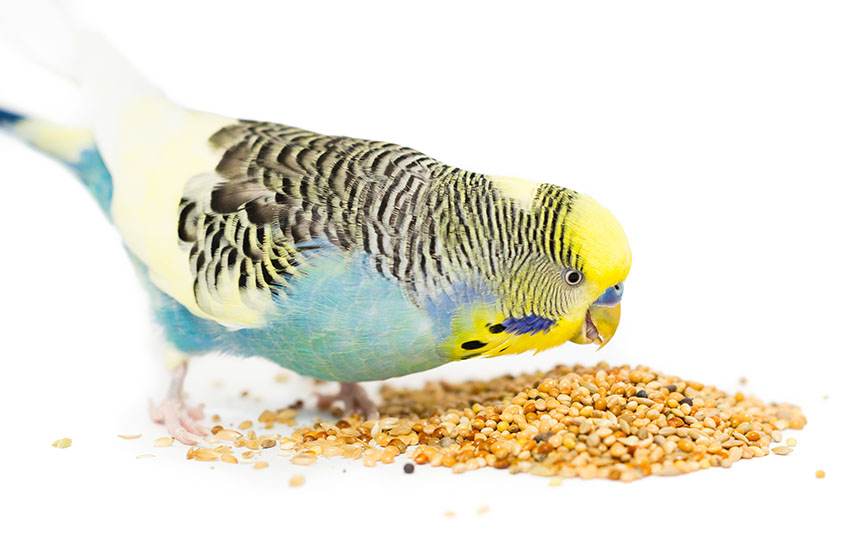
Parrots, with their vibrant plumage and engaging personalities, are captivating companions in many households. These intelligent birds require more than just love and attention; they need a well-balanced diet to thrive. Understanding the essential foods for parrots is crucial to ensuring their health and longevity. Proper nutrition not only supports their physical well-being but also enhances their cognitive abilities and emotional health. This guide explores the dietary needs of parrots, providing insights into the best food choices to keep these feathered friends healthy and happy.
The Basics of Parrot Nutrition
Parrots have specific dietary requirements that must be met to promote their overall health. A diet that is too limited or unbalanced can lead to nutritional deficiencies and health issues. Here’s a breakdown of the essential components of a parrot’s diet:
- Pellets: High-quality pellets should make up the bulk of a parrot’s diet. They are formulated to provide balanced nutrition, including essential vitamins and minerals.
- Fresh Fruits and Vegetables: These should be offered daily. Favorites among parrots include apples, carrots, and leafy greens. It’s important to avoid avocados, chocolate, and caffeine, which can be toxic to birds.
- Seeds and Nuts: While seeds and nuts are high in fat, they are an excellent source of energy. They should be given in moderation to prevent obesity.
- Grains and Legumes: Whole grains and cooked legumes like lentils and chickpeas offer proteins and carbohydrates that are beneficial to parrots.
Explore advanced guides and tips on parrot nutrition to understand how to balance these components effectively. Discover expert strategies here.
Understanding Dietary Requirements by Parrot Species
Different parrot species have unique dietary needs. Understanding these variations is critical for providing the right nutrition.
African Grey Parrots
African Grey Parrots are known for their intelligence and require a diet that supports their cognitive function. They benefit from a diet rich in pellets, fresh fruits, and vegetables, with occasional nuts for added protein.
Macaws
Macaws are larger parrots with higher energy needs. Their diet should include a good mix of pellets, fresh produce, and nuts, which provide the fats they require. It’s important to ensure their diet is varied to prevent boredom and nutritional gaps.
Budgerigars
Budgerigars, or budgies, thrive on a diet that includes a higher proportion of seeds compared to larger parrots. However, incorporating pellets and fresh vegetables into their diet is essential for balanced nutrition.
To learn about our tailored solutions for different parrot species, find out more about this approach.
Supplements and Treats
While a balanced diet is fundamental, supplements can play a role in ensuring complete nutrition, particularly in parrots with specific health needs.
- Calcium Supplements: Essential for egg-laying females and young parrots, ensuring strong bones and beaks.
- Vitamin Supplements: Useful in boosting immune function and preventing deficiencies, especially in picky eaters.
- Treats: Treats should be healthy and given sparingly. Consider using them as part of training to reinforce positive behaviors.
Explore advanced guides and tips on the use of supplements in parrot diets here.
Tips for Encouraging Healthy Eating Habits
Encouraging parrots to eat a balanced diet can sometimes be challenging. Here are some strategies:
- Introduce new foods gradually to avoid overwhelming them.
- Make mealtime interactive by offering food in puzzle feeders or hiding treats.
- Regularly rotate food items to maintain interest and nutritional balance.
- Observe their eating habits closely, adjusting the diet as needed based on their preferences and health.
Learn about our tailored solutions to promote healthy eating habits among parrots. Explore advanced guides and tips.
By understanding and meeting the dietary needs of parrots, their health and happiness can be significantly enhanced. A well-planned diet supports not only their physical health but also their mental and emotional well-being, ensuring a long and fulfilling life for these cherished companions.
