Artisanal Meat Charcuterie Boards
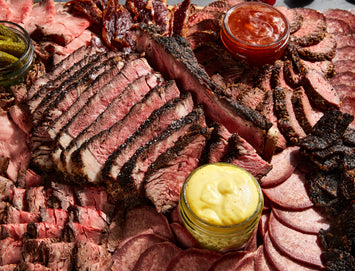
The art of charcuterie has experienced a renaissance in recent years, with artisanal meat charcuterie boards becoming a centerpiece of culinary creativity and sophistication. These boards are not just about assorting meats; they represent a blend of flavors, textures, and aesthetics. As a timeless culinary tradition, charcuterie involves the meticulous curing of meats, often paired with a variety of cheeses, fruits, nuts, and condiments. This article delves into the intricacies of artisanal meat charcuterie boards, exploring their history, components, and tips for crafting the perfect board. Whether hosting a gathering or enjoying a quiet evening at home, charcuterie boards offer a versatile and visually appealing dining experience.
Understanding Artisanal Charcuterie
Artisanal charcuterie refers to the craft of preparing and assembling cured meats in a way that emphasizes quality, tradition, and craftsmanship. Unlike mass-produced options, artisanal charcuterie is characterized by:
- Use of high-quality, locally sourced ingredients.
- Traditional curing methods that enhance flavor and texture.
- Small-batch production ensuring attention to detail and quality control.
Read more about this topic in our detailed guide.
Elements of a Charcuterie Board
Meats
The selection of meats is the heart of any charcuterie board. Common choices include:
- Prosciutto: A delicate, thinly sliced Italian ham known for its rich flavor.
- Salami: A versatile cured sausage with various flavor profiles depending on spices used.
- Soppressata: A coarser grind salami with robust, rustic flavors.
Find additional information here on selecting the right meats for your board.
Cheeses
To complement the meats, a variety of cheeses is essential. Consider including:
- Brie: A soft, creamy cheese that pairs well with fruits and nuts.
- Cheddar: A sharp, aged cheese that adds a contrasting bite.
- Goat Cheese: Offers a tangy flavor profile that can balance the richness of cured meats.
Accoutrements
To enhance the overall experience, consider adding:
- Fresh and dried fruits such as grapes, figs, or apricots.
- Assorted nuts like almonds or walnuts for a crunchy texture.
- Condiments such as honey, mustard, or fig jam for added sweetness or tang.
Explore further insights here on creating a balanced charcuterie board.
Presentation and Pairing
Presentation plays a crucial role in the appeal of a charcuterie board. Consider these tips for creating an inviting display:
- Use a wooden board or slate for a rustic look.
- Arrange items in an aesthetically pleasing manner, balancing colors and textures.
- Include a variety of shapes and sizes to maintain visual interest.
Learn more in this detailed guide on presentation techniques and pairing suggestions.
Conclusion
Artisanal meat charcuterie boards offer a delightful blend of flavors and textures, appealing to both the palate and the eyes. By carefully selecting high-quality ingredients and focusing on presentation, one can create a memorable dining experience that celebrates the art of charcuterie. Whether enjoyed as a solo indulgence or shared among friends and family, these boards embody the essence of culinary craftsmanship. For more insights on enhancing your charcuterie experience, explore further information.
