Drone Technology for Radiation Detection: A Game-Changer
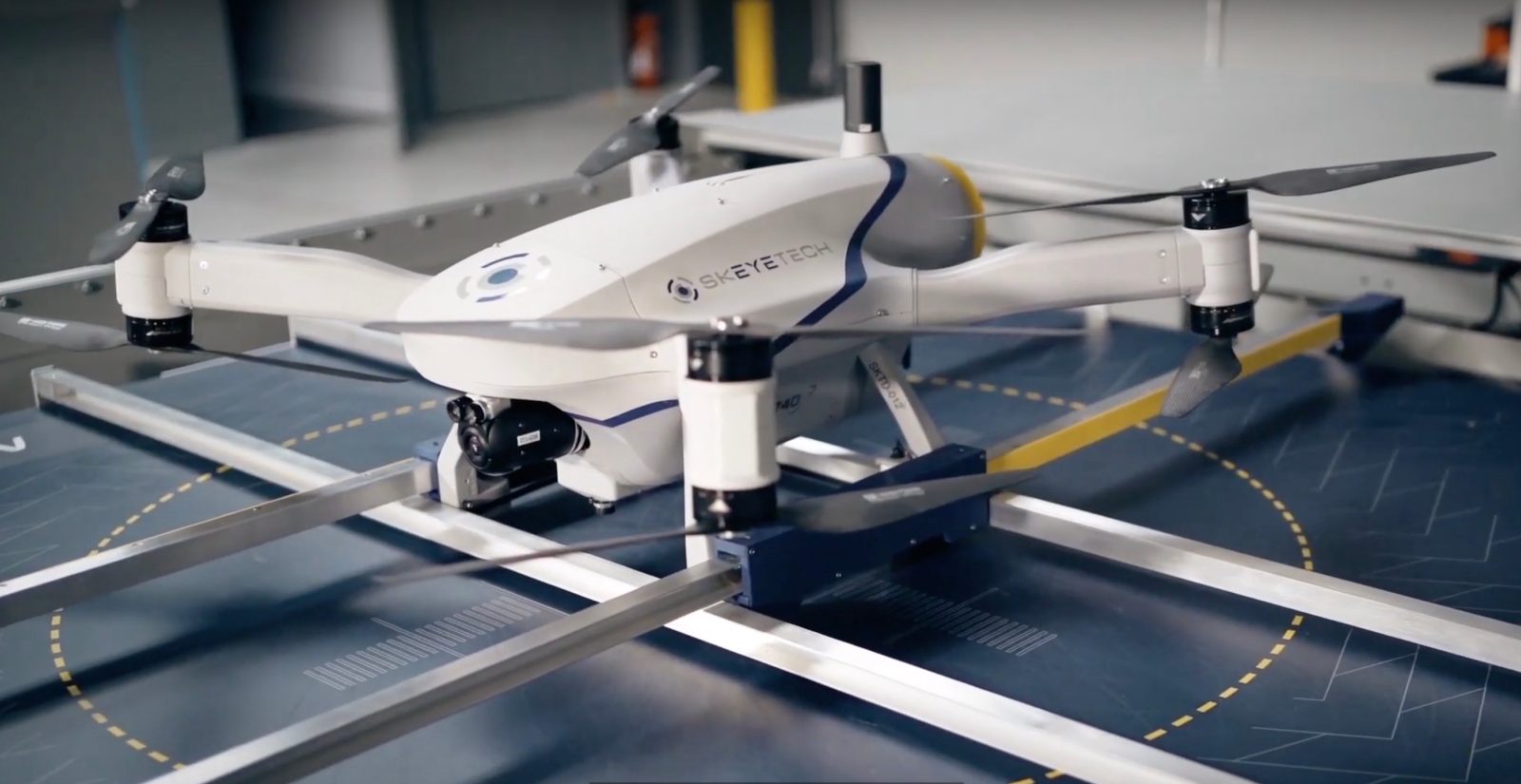
The integration of drone technology in radiation detection has revolutionized the field, offering unprecedented advantages in terms of safety, efficiency, and data accuracy. This innovation is pivotal in areas such as environmental monitoring, nuclear facility management, and emergency response to radiological threats. The deployment of drones designed specifically for this purpose eliminates the need for human exposure to hazardous environments, significantly reducing risks while optimizing data collection processes.
The Evolution of Drone Technology in Radiation Detection
Initially, radiation detection was predominantly a manual process, requiring personnel to enter potentially dangerous areas. However, technological advancements have paved the way for drones equipped with sophisticated sensors capable of detecting radiation levels from a safe distance. This evolution has been instrumental in several ways:
- Enhanced Safety: By minimizing human exposure to radiation, drones significantly improve safety protocols.
- Increased Efficiency: With the ability to cover large areas quickly, drones streamline the detection process.
- Improved Accuracy: Advanced sensors provide precise data, essential for accurate analysis and decision-making.
For further insight into the capabilities of drone technology in this realm, discover expert strategies here.
Applications in Various Industries
Environmental Monitoring
The use of drones in environmental monitoring has significantly enhanced the ability to track radiation levels across vast landscapes, particularly in areas previously affected by nuclear incidents. This application is crucial for:
- Assessing contamination levels
- Monitoring changes over time
- Providing data for restoration efforts
For those looking to integrate drones into environmental assessments, learn about our tailored solutions.
Nuclear Facility Management
In the context of nuclear facilities, drones are employed for regular inspections and monitoring, ensuring compliance with safety standards and detecting potential leaks. The benefits include:
- Reducing downtime during inspections
- Providing real-time data for immediate response
- Enhancing the overall safety of facility operations
Explore more about implementing these technologies in nuclear facilities by exploring advanced guides and tips.
Emergency Response
Drones have become a critical tool in emergency response scenarios, particularly in the aftermath of nuclear accidents or radiological threats. Their rapid deployment and ability to provide real-time data are invaluable for:
- Assessing the extent of contamination immediately
- Guiding evacuation and containment strategies
- Supporting decontamination efforts
For those involved in emergency planning, find out more about this approach to enhance response capabilities.
Future Prospects and Innovation
The future of drone technology in radiation detection is promising, with ongoing research focused on enhancing sensor capabilities and integrating AI for predictive analytics. This evolution promises:
- Greater autonomy in operations
- Improved predictive maintenance capabilities
- Expanded applications across various sectors
As these advancements continue to unfold, staying informed about the latest developments is crucial for leveraging these technologies effectively. For more information, explore advanced guides and tips.
