How to Maintain and Extend the Lifespan of Stainless Steel Gate Valves
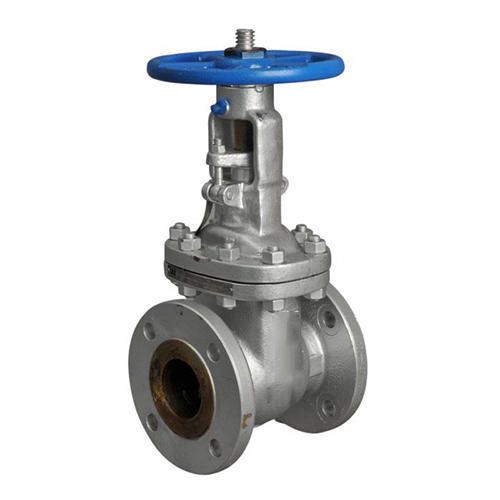
Stainless steel gate valves are integral components in numerous industrial applications, known for their durability, reliability, and ability to control fluid flow efficiently. However, like any mechanical device, they require regular maintenance to ensure optimal performance and extend their lifespan. Proper care and attention can help maximize the functionality of these valves, preventing costly downtime and replacements.
Understanding the Importance of Maintenance
Regular maintenance of stainless steel gate valves is crucial for several reasons:
- Prevention of Leaks: Regular inspections help identify potential leaks early, preventing fluid loss and contamination.
- Ensuring Smooth Operation: Maintenance ensures that the valve operates smoothly without any hindrance, providing precise control over fluid flow.
- Extending Lifespan: Proper care significantly extends the life of the valve, saving costs on replacements.
- Safety Assurance: Regular checks ensure the valve functions correctly, maintaining safety standards within the system.
Maintenance Tips for Stainless Steel Gate Valves
Regular Inspection
Conduct regular visual inspections to check for any signs of wear, corrosion, or damage. Pay particular attention to the valve body, seals, and joints. Identifying issues early allows for timely repairs, reducing the risk of valve failure.
Lubrication
Proper lubrication is essential for the smooth operation of the valve. Use appropriate lubricants that are compatible with stainless steel to prevent corrosion. Regular lubrication reduces friction, minimizes wear, and ensures easy operation of the valve handle or actuator.
Cleaning
Keep the valve and surrounding areas clean from dirt, debris, and other contaminants. Regular cleaning prevents the build-up of materials that could lead to blockage or operational issues. Use a damp cloth or gentle cleaning agents to wipe the valve surface, avoiding harsh chemicals that could damage the material.
Testing
Periodically test the valve’s operation by cycling it open and closed. This helps ensure that the valve moves freely and that there are no obstructions. Testing also helps to identify any unusual noises or resistance that could indicate a problem.
Best Practices for Extending Lifespan
Correct Installation
Ensure that the valve is installed correctly according to the manufacturer’s guidelines. Proper installation is critical to the valve’s performance and longevity. Consider factors such as correct alignment, appropriate support, and suitable connection methods to prevent unnecessary stress on the valve.
Monitoring Operating Conditions
Keep an eye on the operating conditions, including pressure, temperature, and flow rates. Deviations from the specified limits can cause excessive stress and damage to the valve. Install monitoring systems if necessary to ensure conditions remain within the recommended range.
Training Personnel
Ensure that all personnel operating and maintaining the valves are adequately trained. Proper training ensures that staff members are aware of the correct procedures and can identify potential issues early, contributing to the valve’s longevity.
Conclusion
In conclusion, maintaining and extending the lifespan of stainless steel gate valves is essential for ensuring efficient and reliable operations within any system. Regular maintenance, including inspection, lubrication, and cleaning, combined with best practices such as correct installation and monitoring, can significantly enhance the performance and durability of these valves. By investing time and resources into proper valve care, industries can minimize downtime, reduce costs, and maintain safe and effective systems. For more detailed information about stainless steel gate valves, consider visiting resources like this comprehensive guide.
