Maximize Efficiency: Choosing the Right Bucket for Your Excavator
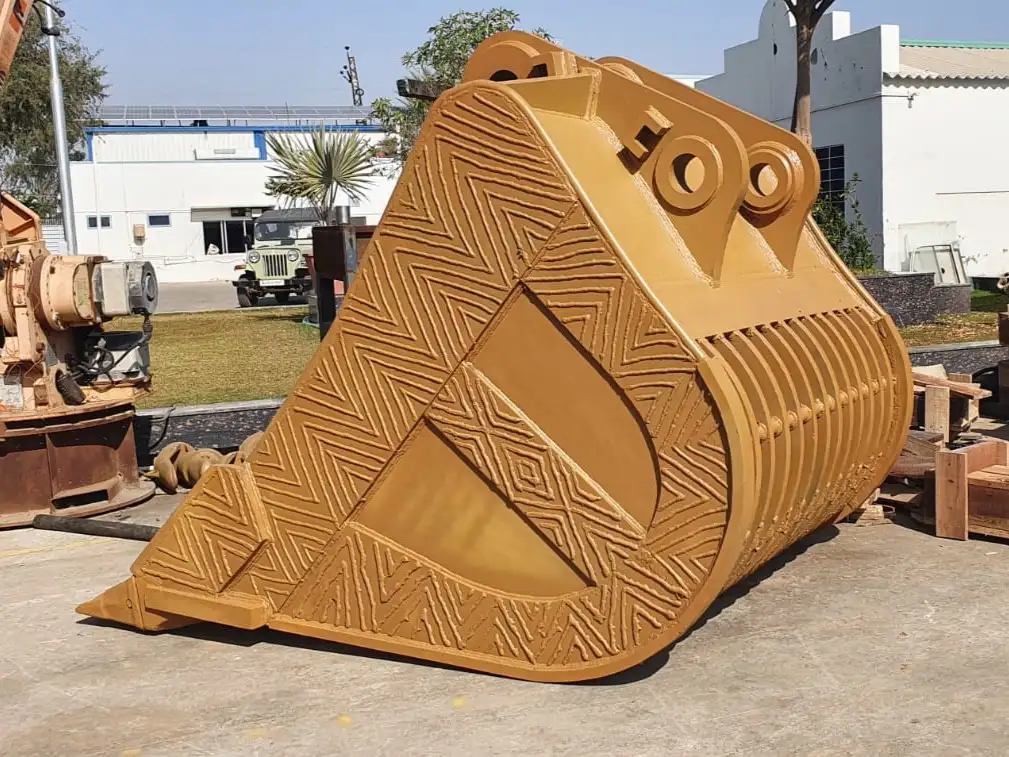
Maximize Efficiency: Choosing the Right Bucket for Your Excavator
In the world of construction and excavation, the right equipment can make all the difference. Excavators, known for their versatility and power, rely heavily on the efficiency of their attachments, particularly the bucket. Choosing the correct bucket for excavator operations is crucial for maximizing productivity, ensuring safety, and achieving optimal results on the job site.
Understanding Excavator Buckets
Excavator buckets are designed to enhance the machine’s capabilities by allowing it to perform various tasks, from digging and trenching to grading and loading. Each bucket type is engineered for specific applications, and understanding these can help in selecting the most suitable one for your needs.
Types of Excavator Buckets
- General Purpose Buckets: Ideal for light-duty tasks such as moving soil, sand, and small rocks.
- Heavy Duty Buckets: Designed for tougher conditions and materials, including hard rock and compacted soil.
- Rock Buckets: Built with reinforced structures and high-strength materials to handle heavy and abrasive rock materials.
- Trenching Buckets: Narrow and deep, perfect for trenching purposes where precision is required.
- Sifting Buckets: Feature a grid-like structure to separate finer materials from larger debris.
Factors to Consider When Choosing an Excavator Bucket
Several factors need to be considered when selecting the right excavator bucket to ensure that it meets the specific demands of the project and enhances operational efficiency.
Project Requirements
The nature of the project dictates the type of bucket that should be used. For instance, a construction site requiring precise trenching will benefit from a trenching bucket, while a demolition site may require a heavy-duty or rock bucket.
Material Type
Consider the material being excavated. Softer materials like loam and sand are suitable for general-purpose buckets, whereas harder materials like granite or concrete necessitate the use of more robust, heavy-duty options.
Excavator Size and Compatibility
The size and power of the excavator should align with the bucket’s capacity. Overloading an excavator with an inappropriately sized bucket can lead to operational inefficiencies and potential safety hazards.
Enhancing Efficiency with the Right Bucket
Choosing the right excavator bucket not only enhances the efficiency of the machine but also contributes to the overall success of the project. Proper bucket selection leads to:
- Reduced Fuel Consumption: A well-matched bucket requires less energy for operation, minimizing fuel usage.
- Improved Cycle Times: Optimal bucket size and type result in faster loading and unloading, thus reducing cycle times.
- Enhanced Safety: Properly chosen buckets reduce the risk of accidents and equipment damage.
Conclusion
Excavator buckets play a pivotal role in the performance of construction equipment. Selecting the right bucket for excavator tasks is essential for maximizing efficiency, safety, and productivity on the job site. By understanding the different types of buckets and the factors influencing their selection, operators can ensure that their excavators are equipped with the tools necessary for any challenge.
