Transforming Education at a Catholic High School
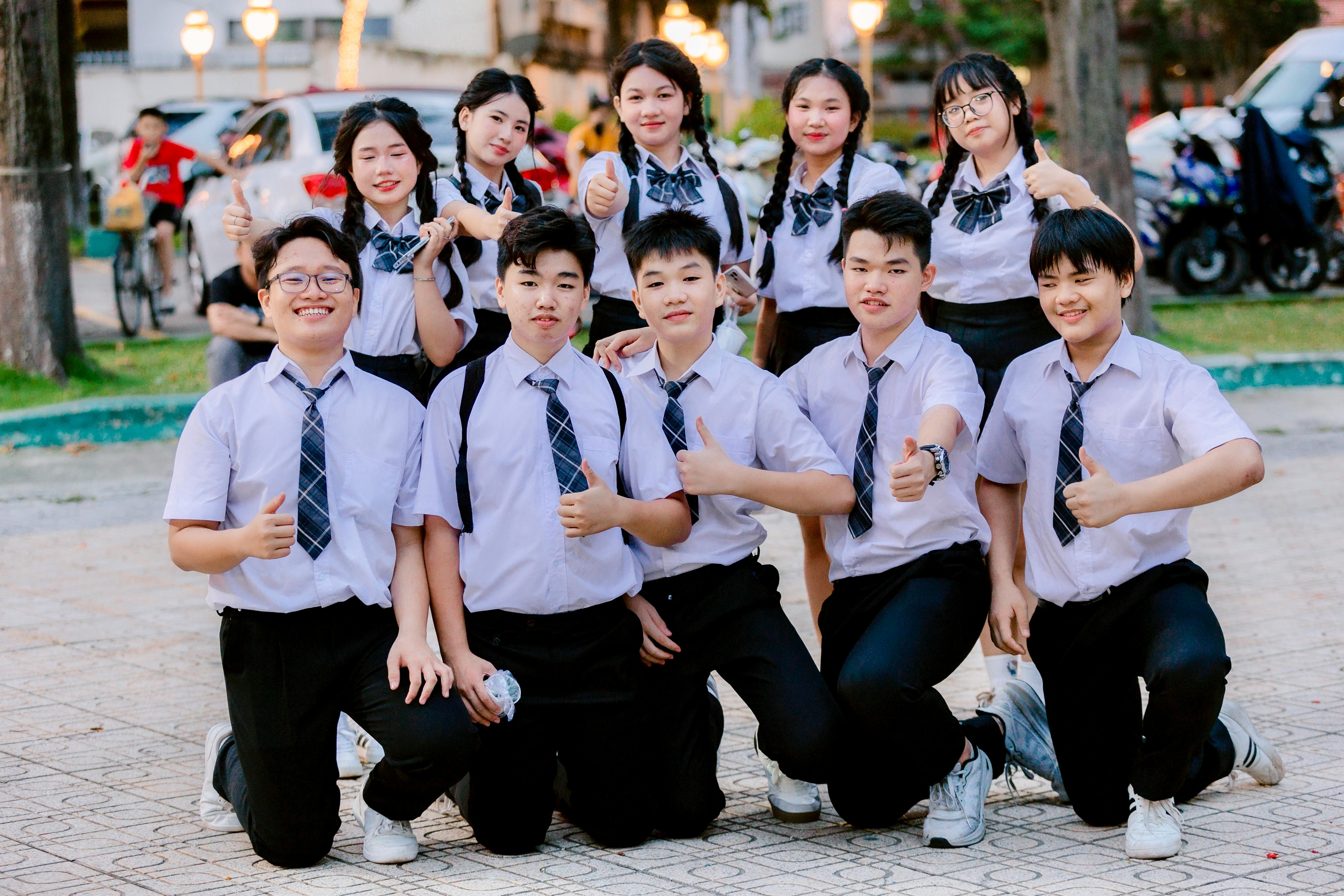
Education at a Catholic high school is undergoing a profound shift that balances academic rigor, faith formation, and the demands of a rapidly changing world. By integrating innovative teaching methods, technology, and a renewed focus on community values, schools are preparing students not only for college and careers but also for responsible citizenship rooted in Catholic tradition. This article explores the key strategies that drive this transformation and offers practical insights for educators, administrators, and stakeholders.
Curriculum Renewal Aligned with Faith and Future Skills
A modern Catholic curriculum must weave together intellectual development with spiritual growth. Schools are revisiting course design to ensure that subjects such as mathematics, science, and humanities are taught through lenses that reflect Catholic social teaching while also emphasizing critical thinking, creativity, and problem-solving. The result is a learning experience that prepares students for both secular challenges and moral decision-making.
- Interdisciplinary projects that connect theology with real-world issues.
- Service-learning modules that apply classroom knowledge to community outreach.
- Enhanced language programs that support global awareness and evangelization.
For a deeper dive into curriculum strategies, Read more about this topic.
Technology Integration with a Human Touch
Digital tools are reshaping how teachers deliver content and how students engage with material. However, the Catholic educational mission insists that technology serve the whole person, fostering collaboration, reflection, and ethical use of information. Schools are adopting blended learning models, interactive platforms, and data-driven assessment while maintaining strong teacher-student relationships.
Key Practices for Effective Tech Use
- Learning Management Systems (LMS) that centralize resources and track progress.
- Virtual labs and simulations for science courses, expanding hands-on experience.
- Digital portfolios that allow students to showcase academic and service achievements.
To explore practical guidelines for technology adoption, Learn more in this detailed guide.
Strengthening Community and Spiritual Life
A Catholic high school thrives when its community, students, faculty, families, and parish partners, shares a common purpose. Strengthening this bond involves intentional practices that nurture faith, empathy, and mutual respect. Regular liturgies, retreats, and mentorship programs create spaces where students can reflect on their values and develop a sense of belonging.
- Weekly school-wide prayers that reinforce a shared spiritual rhythm.
- Mentor-mentee pairings that foster personal growth and vocational discernment.
- Collaborative service projects that embody the principle of Catholic social teaching.
For additional perspectives on building a vibrant school community, Explore further insights here.
Assessment and Feedback that Promote Growth
Traditional grading is evolving into a more holistic assessment system that values process, reflection, and mastery. Catholic schools are implementing formative assessments, narrative feedback, and competency-based evaluations that align with both academic standards and the formation of character.
Components of a Balanced Assessment Model
- Self-assessment tools that encourage students to set personal learning goals.
- Portfolio reviews that capture interdisciplinary achievements over time.
- Regular faculty conferences to calibrate expectations and share best practices.
For a comprehensive overview of modern assessment practices, Find additional information here.
Professional Development for Educators
Teachers are the catalyst for transformation. Ongoing professional development that integrates pedagogy, theology, and technology equips educators to model lifelong learning. Workshops, peer-observation cycles, and reflective retreats help faculty stay current while deepening their commitment to the school’s mission.
- Annual retreats focused on spiritual renewal and instructional innovation.
- Collaborative lesson-planning sessions that blend academic and faith perspectives.
- Access to online courses that address emerging educational trends.
For resources supporting teacher growth, Read more about this topic.
Looking Ahead: A Vision for the Future
The transformation of education at a Catholic high school is an ongoing journey. By aligning curriculum, technology, community life, assessment, and professional development with the core values of the Catholic tradition, schools can create environments where students thrive academically, spiritually, and socially. Continued reflection, adaptation, and collaboration will ensure that these institutions remain beacons of holistic formation for generations to come.
