Comprehensive Smoke Damage Assessment in Beaverton
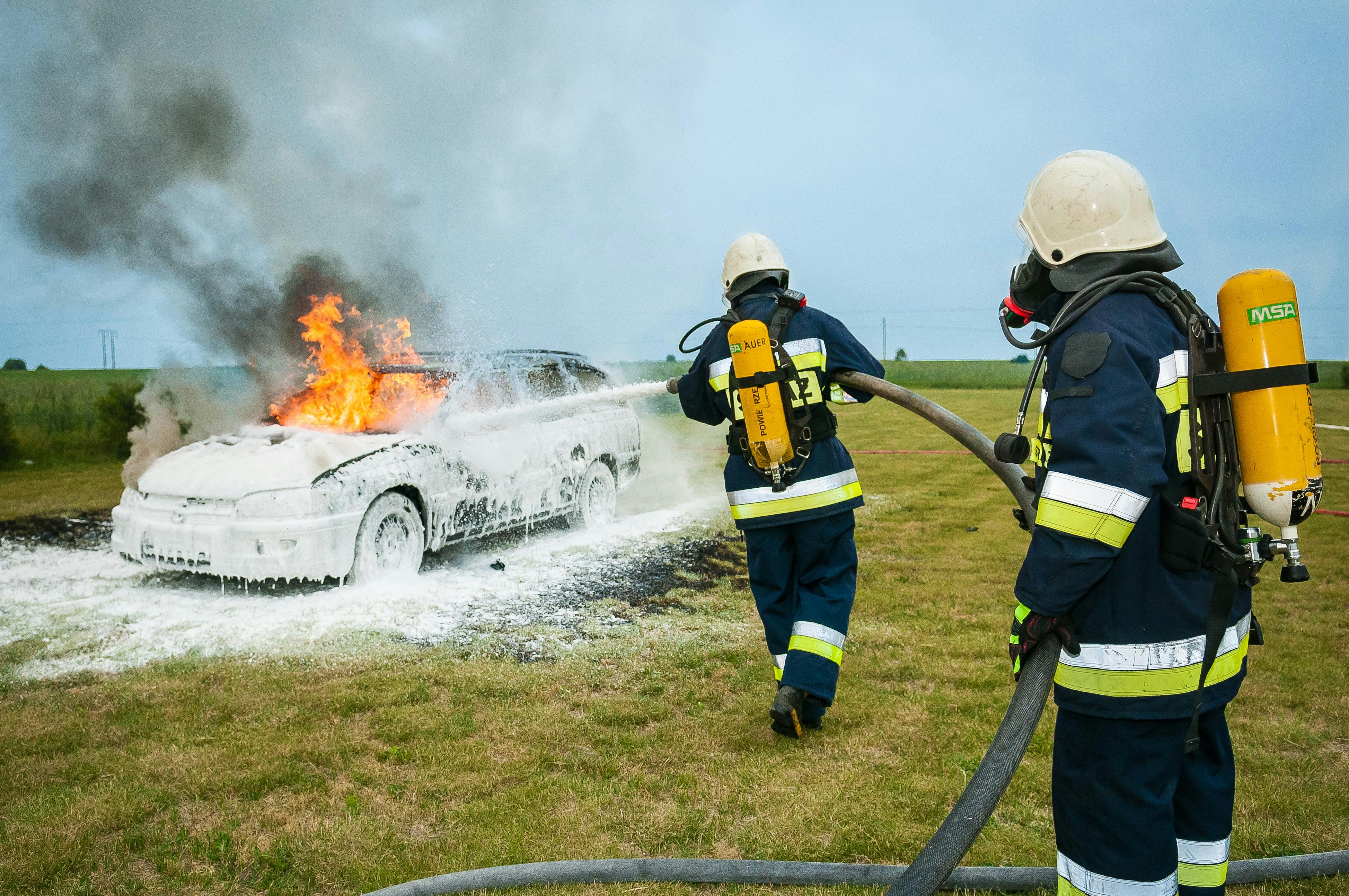
In the aftermath of a fire, the visible and hidden damages caused by smoke can be extensive. Smoke damage doesn’t just blacken walls and ceilings; it can permeate into furniture, clothing, and even HVAC systems, causing persistent odors and potential health hazards. Comprehensive smoke damage assessment is crucial for ensuring a safe and habitable environment. This process involves understanding the scope of the damage, identifying affected areas, and implementing appropriate remediation strategies. In Beaverton, where residential and commercial properties may experience such unfortunate events, knowing how to conduct an effective smoke damage assessment is invaluable.
Understanding Smoke Damage
Smoke damage is not uniform; it varies based on the fire’s materials, duration, and intensity. Here are several factors to consider:
- Material Composition: Different materials, such as plastic, wood, and fabrics, burn differently and produce various residues.
- Extent of the Fire: The size and duration of the fire heavily influence the extent of smoke damage.
- Type of Smoke: Wet smoke, dry smoke, protein smoke, and fuel oil soot each have unique characteristics and cleaning requirements.
For a detailed understanding of smoke types and their specific effects, Discover expert strategies here.
Steps in Conducting a Comprehensive Smoke Damage Assessment
Initial Inspection
The first step in assessing smoke damage is a thorough inspection of the property. This involves:
- Identifying visible soot and ash deposits.
- Checking for discoloration on walls, ceilings, and floors.
- Detecting any lingering odors that suggest smoke infiltration.
An initial inspection sets the foundation for formulating an effective cleanup plan. Learn about our tailored solutions.
Advanced Assessment Techniques
For a more in-depth understanding, advanced techniques may be employed:
- Aerial Sampling: Measuring airborne particulates to assess air quality.
- Surface Testing: Swabbing surfaces to identify the type of residue present.
- Infrared Scanning: Detecting hidden moisture and heat spots that may indicate structural damage.
These advanced methods provide a comprehensive picture of the damage. Explore advanced guides and tips.
Implementing Remediation Strategies
Cleaning and Deodorization
Once the assessment is complete, the cleaning process begins. Effective remediation includes:
- Soot Removal: Using specialized equipment and techniques to remove soot from surfaces.
- Odor Neutralization: Employing thermal fogging or ozone treatments to eliminate persistent smells.
- HVAC Cleaning: Ensuring that ventilation systems are free of smoke particles to prevent recontamination.
These steps are crucial in restoring a property to its pre-damage state. Find out more about this approach.
Preventive Measures
In addition to cleaning, preventive measures should be considered to protect a property from future damage:
- Installing smoke detectors and fire alarms.
- Regular maintenance of electrical systems and appliances.
- Creating an emergency plan with clear evacuation routes and procedures.
By understanding and implementing comprehensive smoke damage assessment and remediation strategies, property owners in Beaverton can ensure the safety and integrity of their environments. Professional guidance and services tailored to the unique needs of each situation can make a significant difference in outcomes. For detailed resources and expert advice on smoke damage assessment and remediation, visit the comprehensive services page at Smoke Damage Assessment in Beaverton.
