HER Microbiome: Understanding the Key to Female Wellness
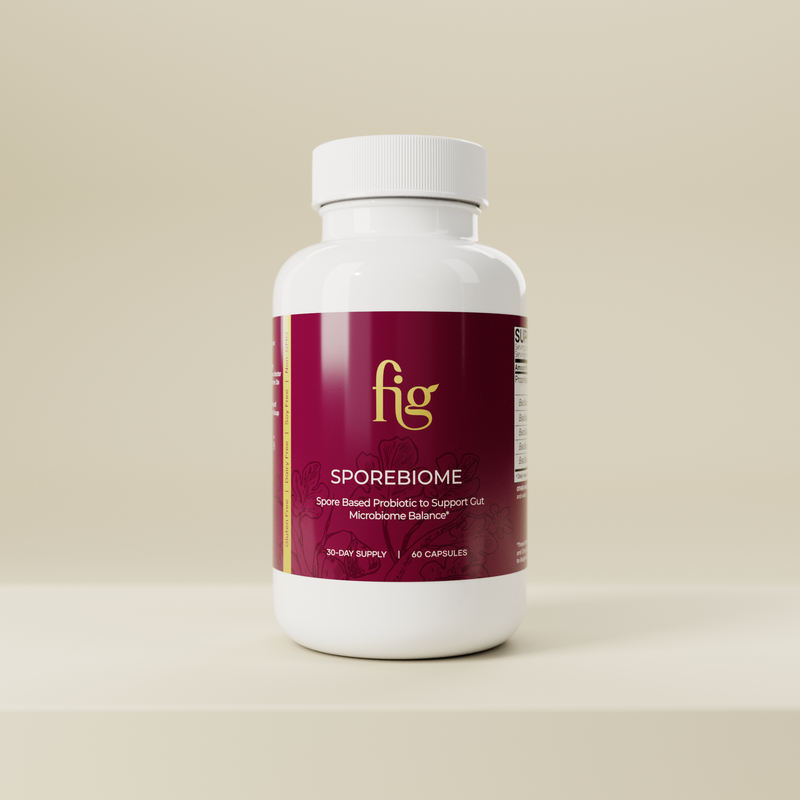
The profound connections between the microbiome and female health have become a focal point of modern wellness discussions. Understanding this relationship is paramount in crafting effective health strategies. The microbiome, a complex ecosystem of bacteria, fungi, and viruses residing in the body, plays a crucial role in regulating various physiological functions. For women, the microbiome exerts significant influence over reproductive health, immunity, and even mental well-being. This article delves into the nuances of the female microbiome, highlighting its importance and offering insights into how women can support their microbiome for optimal health.
The Unique Composition of the Female Microbiome
In women, the microbiome is not just limited to the gut but extends to other critical areas such as the vaginal and urinary tracts. These microbiomes are unique in their composition and function, requiring specific attention and care.
Vaginal Microbiome
The vaginal microbiome is predominantly composed of Lactobacillus species, which maintain an acidic environment, crucial for preventing the growth of harmful pathogens. An imbalance here can lead to:
- Bacterial vaginosis
- Yeast infections
- Increased susceptibility to sexually transmitted infections
Ensuring a balanced vaginal microbiome is essential for reducing these risks. Exploring products like HER Microbiome can aid in maintaining this balance.
Gut Microbiome
The gut microbiome is another critical component that influences overall female health. It plays a role in:
- Digestive efficiency
- Metabolic processes
- Immune function
- Mental health regulation
A healthy gut microbiome can reduce inflammation, improve nutrient absorption, and enhance mood and cognitive functions.
Factors Influencing the Female Microbiome
Several factors can impact the microbiome’s balance, affecting overall health. Understanding these can help in better management and care.
Diet and Nutrition
Diet significantly influences the microbiome’s composition. A diet rich in fiber, prebiotics, and probiotics supports a diverse and healthy microbial population. Key dietary components include:
- Fruits and vegetables high in fiber
- Fermented foods like yogurt and kimchi
- Whole grains
Limiting processed foods and sugars can prevent the growth of harmful bacteria.
Hormonal Changes
Hormonal fluctuations during menstruation, pregnancy, and menopause can alter the microbiome. These changes necessitate tailored approaches to microbiome care during different life stages.
Lifestyle and Stress
Lifestyle choices, including stress levels, exercise habits, and sleep patterns, also play a pivotal role. Chronic stress and lack of sleep can disrupt the microbiome, leading to a cascade of health issues.
Strategies for Supporting a Healthy Microbiome
Maintaining a balanced microbiome requires a multifaceted approach:
Incorporate Probiotics and Prebiotics
Consuming probiotics can introduce beneficial bacteria into the system, while prebiotics serve as food for these bacteria. Together, they help sustain a healthy microbial environment.
Regular Health Check-Ups
Routine medical consultations can help monitor microbiome health and identify potential problems early, ensuring timely intervention.
Mindful Lifestyle Practices
Adopting stress management techniques, regular physical activity, and adequate sleep can favorably impact microbiome health.
Conclusion
The female microbiome is a cornerstone of health, influencing various aspects of well-being from reproductive health to mental clarity. By understanding and supporting the microbiome, women can achieve enhanced health outcomes. Products designed to support the microbiome, such as HER Microbiome, offer targeted solutions to maintain this vital balance. Through informed choices and lifestyle adjustments, women can ensure their microbiome thrives, leading to better health and wellness.
