Medtech Portfolio Optimization: Understanding Why Investors Pass and What Founders Can Learn
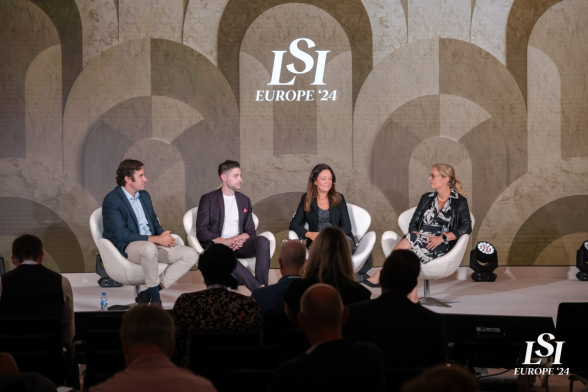
In the LSI Medtech space, founders will often interpret the investors ‘no’ as their company has no potential. The decision-making process on an investors side is a lot more intricate. The construction of the portfolio, investment strategy, risk management and market timing all greatly influence a possible investment.
Why Investors Say No More Often Than Yes
Investors review hundreds of deals each year. Many innovative startups are denied funding because VC firms have a limited number of companies to invest in. VC funds have specific portfolios, and many investors prefer to invest in specific sectors, stages, geography or regions. Many investors prefer to only work with a specific sector, stage, country, or market niche. Even with innovative technology and a good team, investors can still reject a deal if it doesn’t fit their strategy. All of this, is talked about in top industry events, such as LSI Conference 2026 where entrepreneurs will learn how venture investors screen opportunities.
Portfolio Optimization in Medtech Investing
It’s important that Medtech investors maintain a well-diversified portfolio across multiple opportunities that allow returns to be maximized whilst considering risk. Important factors for a medtech investor’s decision-making include:
- Clinical validation
- Regulatory path
- Market size
- Readiness to commercialise
- Geographical diversity
- Sector diversity
An investor may choose to not invest in a company if they already have extensive exposure to a certain type of market segment. Even if the technology itself does have significant promise the business may still turn down that company because they are already heavily invested in that market.
The Importance of Timing
Timing is also important for investment.
Different investors like investing at the seed stage, while others focus on growth stage companies which have a commercial traction. Sometimes the company at very early stage for an investor might be quite appropriate for another.
Good entrepreneurs know that there is nothing such as being rejected forever. They may be rejected by investors today, but by continuously communicate and update on the company, it’s possible to renew the investment conversation later.
Industry events like LSI Europe offer an opportunity to build relationships with entrepreneurs and investors for future long-term cooperations.
Learning From Investor Feedback
The feedback an investor meeting can provide is among its most valuable aspects. When founders are receptive to constructive feedback, they learn where their weaknesses lie:
- Clinical evidence
- Regulatory strategy
- Market validation
- Commercial planning
- Reimbursement pathways
With each of these discussions, there is an opportunity to enhance your positioning and improve the chances of your next fundraise.
So many of today’s successful medtech companies improved their strategy after receiving investor input while still in their nascent growth stage.
The Role of Relationships in Fundraising
Trustworthy connections and relationships still one of the most vital assets within medtech.
Investors have historically been watching companies from several years, until deciding to invest. Being able to build confidence, foster transparency and show solid performance has tremendous positive impact on fundraising success.
The relationships created over time, for example, within the context of LSI Dana Point or LSI Europe, had tremendous impact on hundreds of entrepreneurs creating vital connections within VCs, strategics and thought leaders.
Relationships for the long-run, are often even more significant than raising capital for the short-run.
Emerging Companies Gaining Attention
Medtech sector keeps releasing interesting companies that investor wants to finance. Moon Medical is an example and it has got everyone’s attention through its medtech breakthroughs and regulatory victories. Stories like this one show how innovation and smart execution can lead to profitable deals even during high competition for investment.
Looking Ahead to LSI Conference 2026
The landscape of medtech investment is constantly changing, and founders should be aware that the answer to a raise is not always black and white. Investment decisions are made based on the needs of the investor’s portfolio, as well as their strategic focus and current market dynamics.
Conferences such as LSI Conference 2026 serve as valuable opportunities for founders, investors, and leaders to discuss these issues and to find future investment opportunities. Understanding why an investor says no can be as important as understanding why they say yes, and each conversation is an opportunity to learn.
Future investment opportunities, networking, and industry expertise can be explored further on the LSI Europe website.