Pilates Machines Reformer Comparison: Features to Consider Before Buying
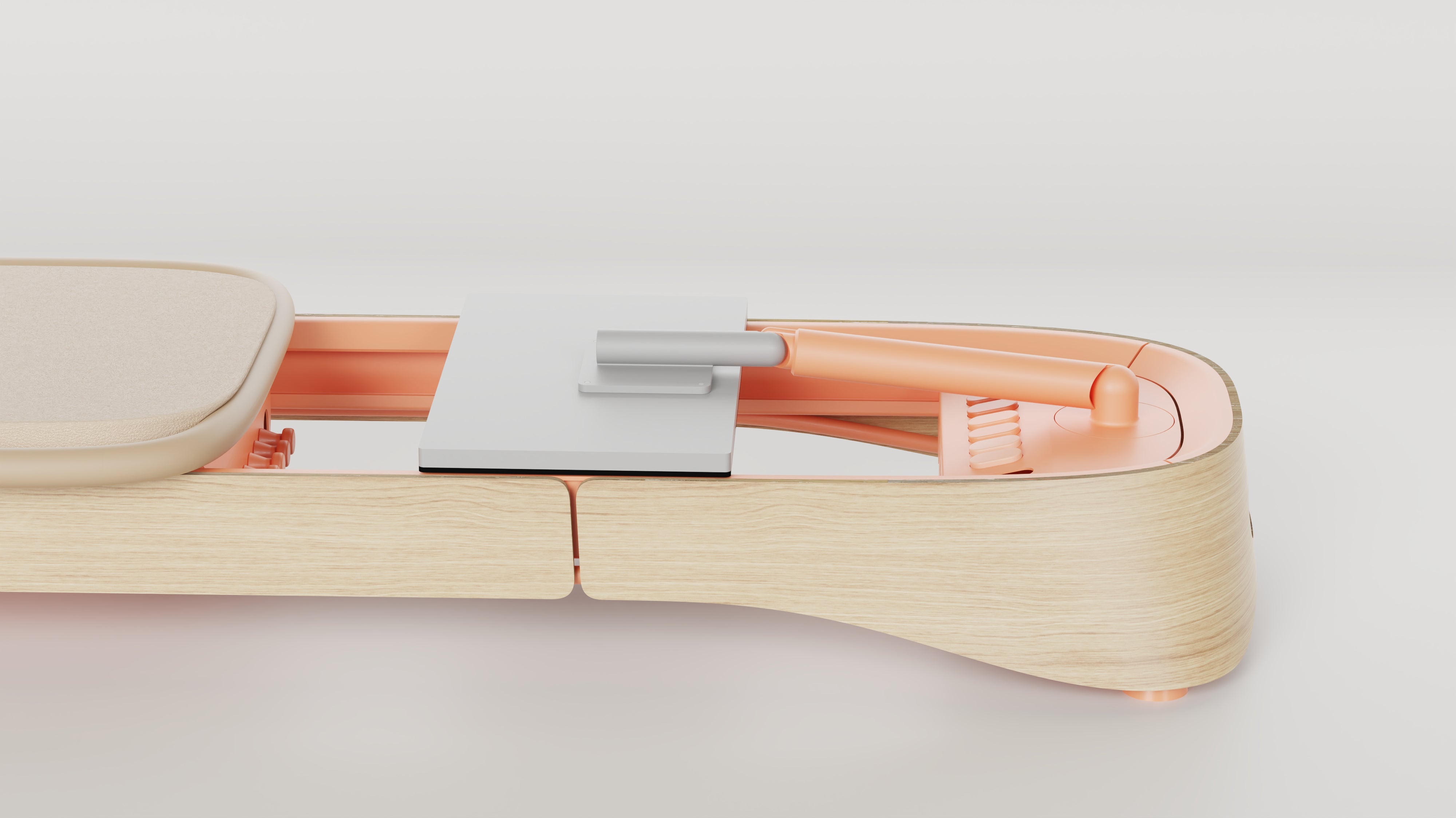
Choosing the right Pilates reformer can feel overwhelming, especially with a market flooded with options ranging from compact home units to studio-grade machines. A well-chosen reformer not only supports a broader range of exercises but also enhances alignment, resistance control, and overall workout safety. This guide breaks down the most important features to evaluate, helping you compare models intelligently before making a purchase.
Core Components to Evaluate
1. Frame Construction & Material
The frame is the backbone of any pilates reformer. Look for:
- Heavy-duty steel or aluminum for durability.
- Wooden accents (e.g., a wooden pilates reformer) for aesthetic appeal without sacrificing strength.
- Foldable or telescopic designs for space-saving home setups.
2. Carriage & Slider Mechanics
A smooth, low-friction carriage is essential for fluid movement.
- Ball-bearing sliders provide the quietest operation.
- Adjustable resistance levels allow progression from beginner to advanced routines.
- Check the weight capacity, most home units support 250-300″?lb, while commercial models exceed 500″?lb.
3. Resistance System
Resistance can be spring-based, rubber bands, or a combination of both.
- Springs: Offer consistent tension and are easy to adjust.
- Rubber bands: Add a progressive feel and are quieter.
- Some premium models integrate a digital resistance system, often paired with an interactive screen.
4. Integrated Technology
Modern reformers increasingly feature built-in screens for streaming classes.
- A pilates reformer machine with screen can replace a separate tablet.
- Look for Wi-Fi connectivity, Bluetooth speakers, and easy-to-use interfaces.
- Screen size matters, 10-inch displays are common, while larger 15-inch panels provide a more immersive experience.
Design Considerations for Home Use
Space & Portability
When evaluating a reformer pilates home unit, measure the intended area first. Key points:
- Foldable frames can reduce the footprint to as little as 2″?ft”???”?4″?ft.
- Weight of the unit influences how easily it can be moved; many home models stay under 120″?lb.
- Consider a wheeled base if you anticipate frequent relocation.
Ease of Assembly
Most contemporary reformers arrive partially assembled. Look for:
- Clear, step-by-step instructions (often video-guided).
- Tool-free connections that click into place.
- Warranty coverage on structural components.
Aesthetic Fit
Home studios benefit from equipment that blends with d??cor. A frame pilates reformer featuring sleek lines and neutral colors can serve as both functional gear and a design element.
Performance Features to Prioritize
Adjustable Footbar & Straps
These accessories affect leverage and comfort. Ideal models provide:
- Multiple footbar positions (low, medium, high).
- Adjustable shoulder straps for upper-body work.
- Quick-release mechanisms for fast transitions between exercises.
Range of Motion
A longer carriage travel (up to 50″?inches) expands the variety of exercises, from leg circles to full-body roll-downs.
Safety Features
- Lockable sliders to prevent unintended movement.
- Rounded edges and non-slip footpads.
- Sturdy base plates that keep the unit stable on uneven flooring.
Cost & Value Assessment
Pricing for reformers varies widely. A basic home pilates reformer can start around $800, while high-end models with integrated screens may exceed $3,000. When budgeting, consider:
- Long-term durability: Investing in a robust frame reduces replacement costs.
- Included accessories: Some packages bundle straps, footbars, and a mat, offering better overall value.
- Warranty length: A longer warranty often signals confidence in build quality.
For those searching for the best pilates reformer for home, balancing price against feature set is crucial. A mid-range model that offers a digital screen, solid construction, and a comprehensive accessory kit often delivers the best return on investment.
Comparative Summary Table
| Feature | Entry-Level | Mid-Range | Premium |
|---|---|---|---|
| Frame Material | Aluminum | Steel + wood accents | Heavy-duty steel + premium wood |
| Resistance Type | Springs only | Springs + rubber bands | Digital resistance + springs |
| Screen Integration | None | 10-inch optional | 15-inch built-in |
| Weight Capacity | 250″?lb | 300″?lb | 500″?lb+ |
| Foldability | Yes | Yes | No (studio-grade) |
| Price Range | $800-$1,200 | $1,300-$2,200 | $2,500-$4,000 |
Making the Final Decision
To choose the right reformer machine, follow these steps:
- Define your primary use, studio-style training vs. compact home workouts.
- Measure the available space and verify that the unit’s dimensions (folded and unfolded) fit comfortably.
- Prioritize features that align with your training goals: resistance variety, screen integration, or advanced safety locks.
- Compare warranties and read user reviews to gauge long-term satisfaction.
- Consider the total cost of ownership, including accessories and potential upgrades.
By systematically evaluating each factor, you can confidently buy pilates reformer machine that delivers lasting performance and supports a full spectrum of Pilates exercises.
Additional Resources
For deeper insight into specific models, explore the following links that discuss pricing, features, and user experiences:
- price pilates reformer
- how much is a pilates machine
- cost of pilates reformer
- pilates reformer pilates machine
- frame fitness pilates reformer
Armed with this knowledge, selecting the optimal reformer becomes a strategic, informed process rather than a guesswork purchase.
