Precision Machining Service for Optimal Results
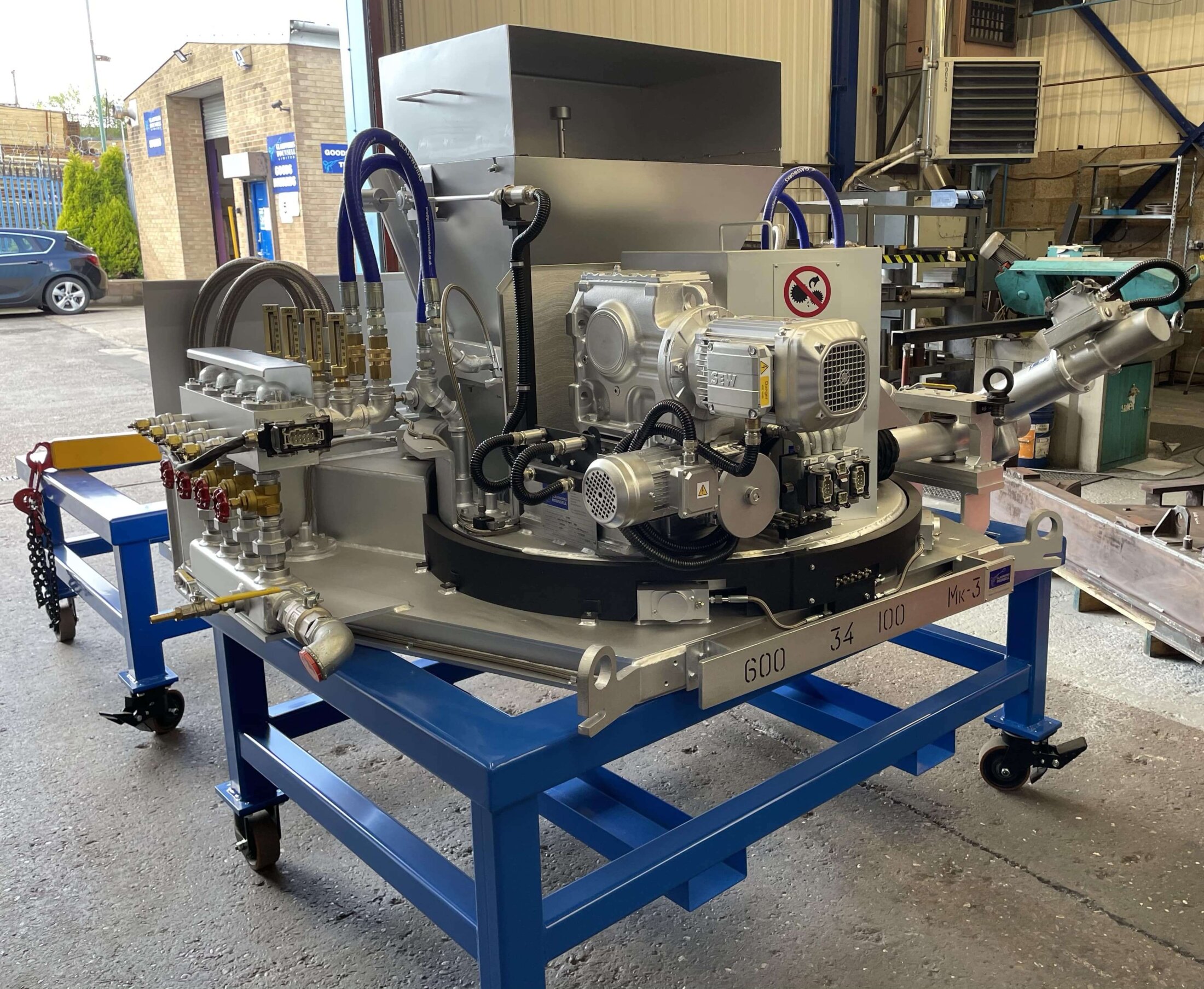
In today’s fast-paced industrial landscape, precision machining plays a pivotal role in ensuring high-quality results across a spectrum of applications. With the demand for intricate components and high tolerances, industries ranging from aerospace to medical devices rely on precision machining services to meet their exacting standards. This article delves into the essential aspects of precision machining and highlights how advanced techniques and technologies contribute to optimal outcomes.
Understanding Precision Machining
Precision machining is a manufacturing process that involves the removal of material from a workpiece to achieve a highly accurate final product. It employs various machines, including CNC (Computer Numerical Control) machines, grinders, and lathes, to create components that meet precise specifications.
Key Elements of Precision Machining
Several factors contribute to the effectiveness and efficiency of precision machining services:
- Advanced Machinery: Utilizing state-of-the-art equipment ensures consistency and accuracy in production.
- Skilled Technicians: Experienced machinists bring expertise and attention to detail, essential for complex projects.
- Quality Materials: Starting with high-quality raw materials minimizes defects and enhances the durability of the final product.
To delve deeper into the intricacies of precision machining, discover expert strategies here.
Benefits of Precision Machining
The advantages of precision machining extend beyond mere accuracy. Here are some of the critical benefits:
- Improved Efficiency: Automated processes reduce the time and labor required, leading to faster project completion.
- Cost-Effectiveness: By minimizing waste and errors, precision machining can significantly lower production costs.
- Versatility: Precision machining is suitable for a wide range of materials, including metals, plastics, and composites.
- Scalability: Whether producing a single prototype or a full-scale production run, precision machining offers scalable solutions.
To understand how these benefits can be tailored to specific needs, learn about our tailored solutions.
Applications Across Industries
Precision machining is indispensable in numerous industries, each with unique requirements:
Aerospace
High-precision components are crucial for aircraft performance and safety. Precision machining ensures parts meet stringent regulations.
Medical Devices
In the medical field, precision machining is used to produce components like surgical instruments and implants, where precision is vital for patient safety.
Automotive
From engine parts to custom prototypes, precision machining supports the automotive industry’s demand for high-performance components.
For further insights into these applications, explore advanced guides and tips.
The Future of Precision Machining
As technology advances, precision machining is set to evolve with innovations such as:
- Integration of AI: Artificial Intelligence is expected to enhance decision-making and process optimization.
- 3D Printing Synergy: Combining additive manufacturing with precision machining can streamline workflows and expand capabilities.
- Smart Manufacturing: IoT (Internet of Things) devices are predicted to provide real-time data, improving operational efficiency.
For a comprehensive overview of future trends, find out more about this approach.
