Protecting Your Feline Friend: Understanding Leukemia Vaccination
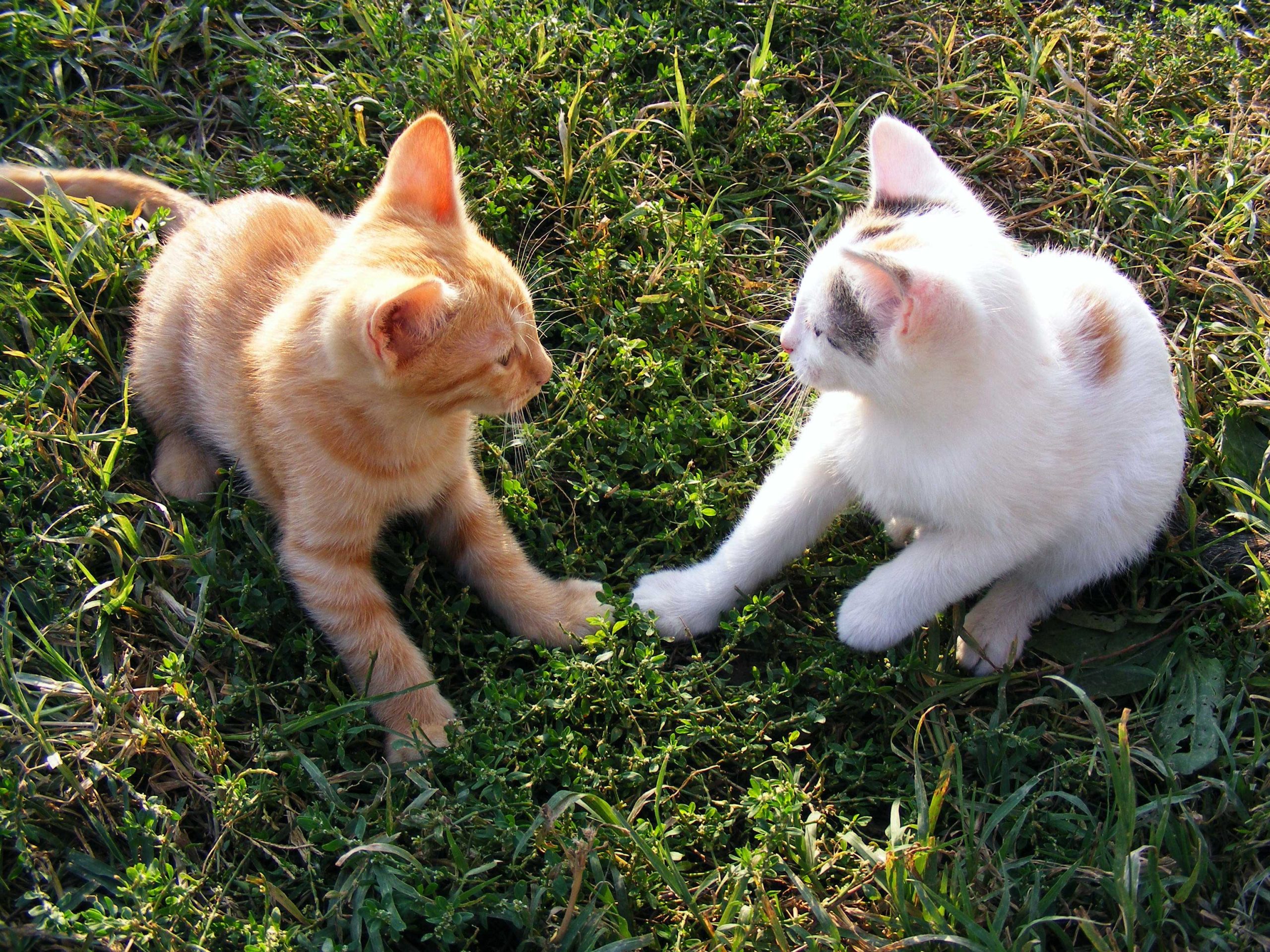
Cats are cherished companions, offering warmth and joy to their human families. Ensuring their health and well-being is a top priority for any responsible pet owner. One critical aspect of feline health is protection against infectious diseases, such as feline leukemia virus (FeLV). Vaccination plays a vital role in maintaining a healthy and happy life for your cat. Understanding the importance of the cat feline leukemia vaccine can help pet owners make informed decisions about their cat”?s health care.
What is Feline Leukemia?
Feline leukemia virus (FeLV) is a serious viral infection that affects cats worldwide. It is one of the leading causes of illness and death in domestic cats. The virus can cause a range of health issues, including:
- Anemia
- Immune suppression, making cats more susceptible to other infections
- Cancer, particularly lymphoma
- Reproductive issues in breeding cats
FeLV is spread through close contact between cats, such as grooming, fighting, or sharing food and water dishes. Mother cats can also pass the virus to their kittens during birth or through nursing.
Why Vaccinate Against Feline Leukemia?
Vaccination is a proactive measure to protect cats from the devastating effects of FeLV. The vaccine helps to stimulate the cat’s immune system to fight off the virus if exposed. Key reasons for vaccinating include:
- Prevention: The vaccine significantly reduces the risk of infection and transmission among cats.
- Cost-effective: Managing FeLV-related diseases can be costly. Vaccination is a cost-effective way to prevent these expenses.
- Peace of mind: Knowing that your cat is protected provides peace of mind for pet owners, enabling them to focus on enjoying their time with their feline friend.
Who Should Get the Feline Leukemia Vaccine?
Not all cats require the FeLV vaccine. The decision to vaccinate should be based on the individual cat”?s risk of exposure. Consider the following factors:
- Outdoor Cats: Cats that spend time outdoors are at higher risk of encountering FeLV-positive cats.
- Multi-cat Households: Homes with multiple cats, especially if any are FeLV-positive or go outdoors, may benefit from vaccination.
- Kittens: Young cats are more susceptible to infection. Vaccination is often recommended as part of their initial vaccination series.
Consulting a veterinarian can help determine the best vaccination plan based on the specific lifestyle and health status of the cat.
Understanding the Vaccination Process
The vaccination process is straightforward and similar to other vaccinations your cat may receive. Here”?s what to expect:
- Initial Vaccination: Typically administered as a series of two injections, given 3-4 weeks apart.
- Booster Shots: Annual booster shots are often recommended to maintain immunity, particularly for cats at higher risk of exposure.
- Side Effects: Most cats experience no or mild side effects, such as slight fever or lethargy, which usually resolve quickly.
Conclusion
Protecting your feline friend from FeLV is an integral part of responsible pet ownership. Understanding the benefits and process of the cat feline leukemia vaccine ensures that your cat remains healthy and vibrant. Regular veterinary consultations are essential to tailor a vaccination strategy that aligns with your cat”?s lifestyle and health needs, ultimately safeguarding your cherished companion against potential threats.
