Your Guide to Cranbrook Orthodontics: What to Expect
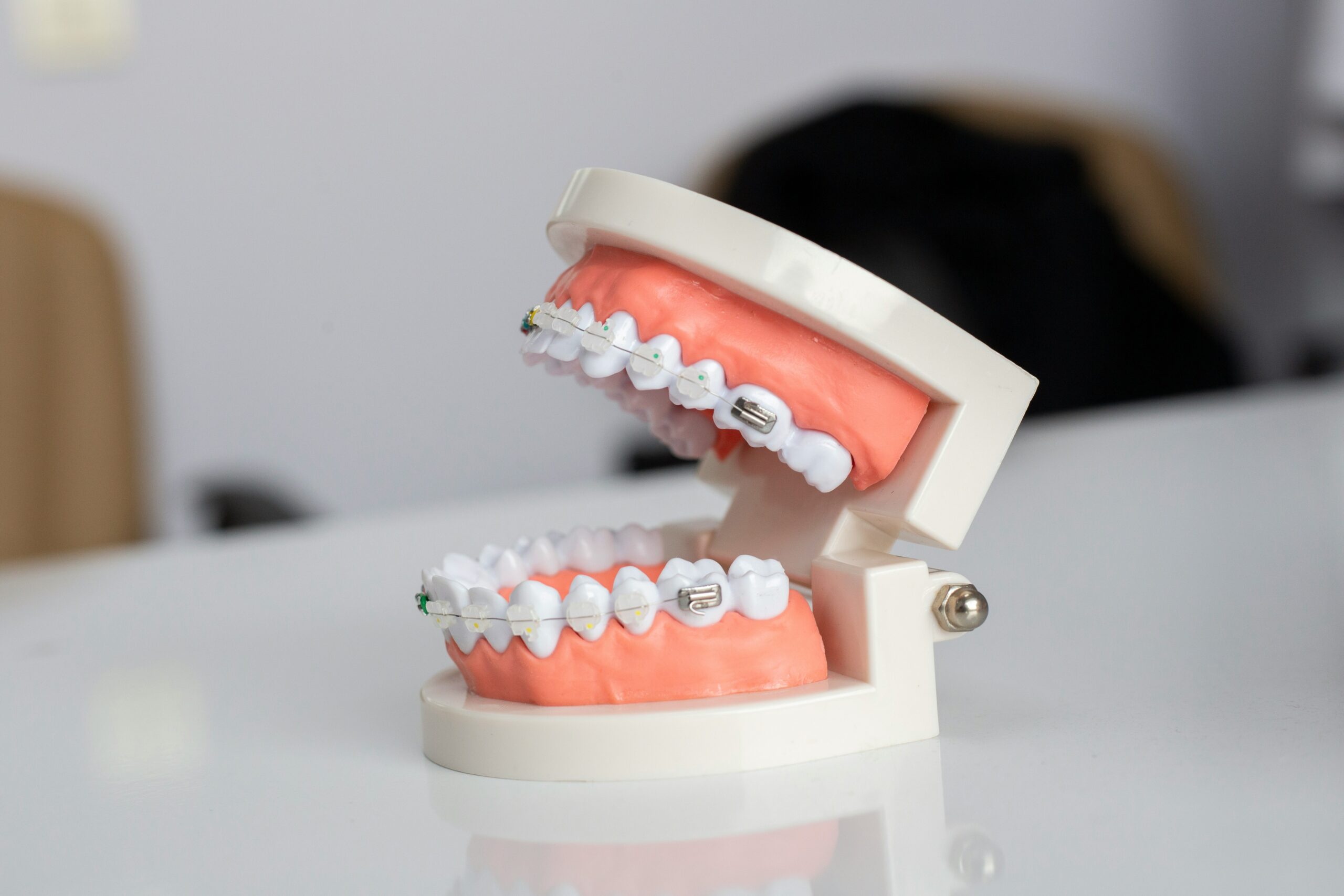
Orthodontic treatment has become a pivotal part of modern dentistry, offering solutions to misaligned teeth and jaws which can enhance both aesthetics and functionality. For those considering such treatments in Cranbrook, understanding what to expect can alleviate any apprehensions and help in making informed decisions. This guide provides insights into the journey of orthodontic care, outlining what patients can anticipate during their experience.
Initial Consultation
The first step in the orthodontic journey typically involves an initial consultation. During this meeting, a comprehensive examination of the teeth will be conducted, often involving:
- Diagnostic x-rays to assess alignment and jaw relationship.
- Photographs of the face and teeth for a visual record.
- Impressions or digital scans to create a model of the teeth.
This initial assessment allows for the creation of a personalized treatment plan tailored to meet the unique needs of the patient.
Understanding the Treatment Plan
A detailed treatment plan is crucial to successful orthodontic care. This plan not only outlines the type of cranbrook orthodontics suitable for the patient but also estimates the duration and cost involved. The treatment plan may include:
- Types of braces or aligners recommended.
- Estimated treatment duration, typically ranging from 12 to 36 months.
- Expected outcomes and potential challenges during the treatment.
It is essential for patients to discuss any concerns with their orthodontist to ensure clarity and confidence in the proposed approach.
The Different Types of Orthodontic Appliances
Traditional Metal Braces
Metal braces are the most common type of orthodontic appliance, known for their durability and effectiveness in correcting complex dental issues. They consist of metal brackets adhered to the teeth and connected by wires.
Ceramic Braces
Ceramic braces function similarly to metal braces but offer a more aesthetic appeal as they blend with the natural tooth color. This makes them a popular choice for adults and teenagers conscious about their appearance during treatment.
Clear Aligners
Clear aligners, such as Invisalign, provide a discreet alternative to traditional braces. These removable aligners are custom-made to gradually shift teeth into the desired position, offering convenience and comfort.
Maintaining Oral Hygiene During Treatment
Proper oral hygiene is vital during orthodontic treatment to prevent cavities and gum disease. Here are some tips for maintaining oral health:
- Regular brushing and flossing, ideally after every meal, to remove food particles and plaque.
- Using an interdental brush or water flosser to clean around brackets and wires.
- Attending regular dental check-ups and cleanings to monitor oral health.
Follow-Up Appointments and Adjustments
Routine follow-up appointments are necessary to monitor progress and make any needed adjustments to the orthodontic appliance. These visits typically occur every 4 to 8 weeks and involve:
- Assessing the movement of teeth and adjusting wires or aligners.
- Replacing worn-out bands or broken parts of braces.
- Ensuring the treatment is progressing as planned.
These appointments are crucial for ensuring the treatment remains on track and achieves the desired results.
Life After Orthodontic Treatment
Once the treatment is complete, the orthodontist will remove the braces or aligners, revealing a beautifully aligned smile. However, to maintain these results, patients may need to wear a retainer. Retainers are essential as they:
- Help teeth settle into their new position.
- Prevent teeth from shifting back to their original position.
- Are typically worn full-time initially, then gradually reduced to night-time wear.
Embarking on the journey of orthodontic treatment is a significant step towards achieving a healthier, more confident smile. By understanding what to expect at each stage, patients can approach their treatment with confidence and ease, ultimately leading to successful outcomes.
